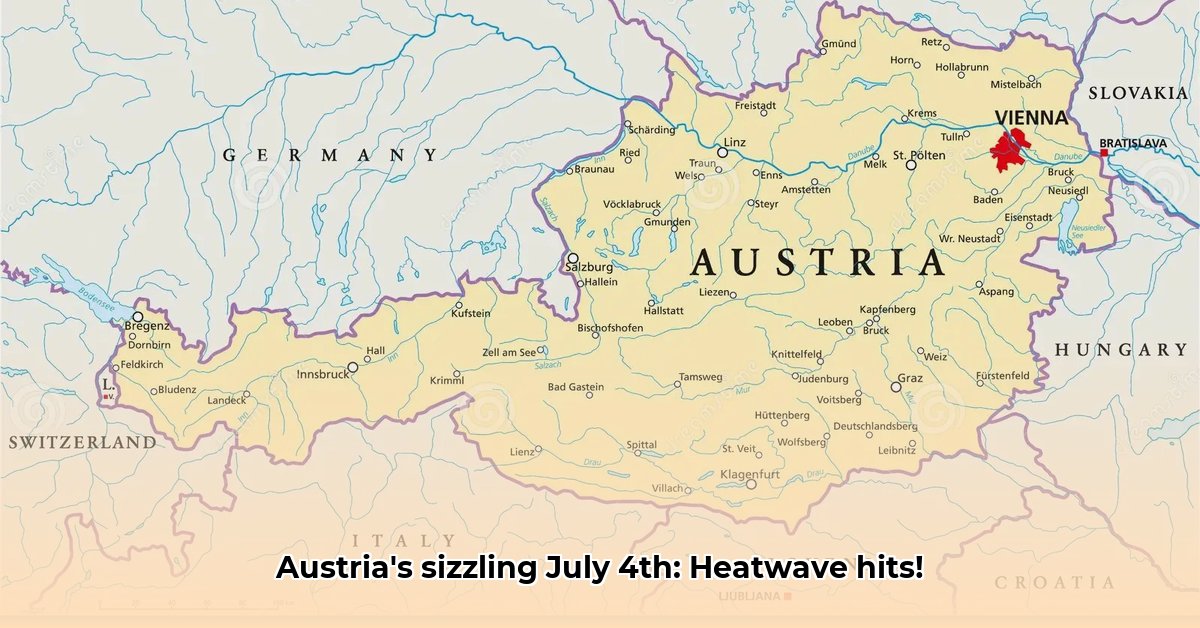
A Surprisingly Warm July 4th in Austria
July 4th, 2025, saw Austria experience higher-than-average temperatures, reaching a peak of 31-32°C in many areas, according to EaseWeather. This is considerably warmer than the typical average of 26.8°C for that time of year. However, a predicted 65% chance of rain, ultimately resulting in only 0.21mm of rainfall, prevented the day from becoming unbearably hot. This unexpected weather pattern raises questions about forecast accuracy and the need for better preparedness for future extreme weather events. The following report delves deeper into the data, exploring the discrepancies in forecasts, the impact of the light rainfall, and the implications for various stakeholders.
Decoding the Data: Temperature Readings and Forecast Accuracy
EaseWeather provided detailed forecasts predicting sunny spells reaching 31-32°C with overnight lows around 14°C and gentle 10 km/h winds (a light breeze, *jo'). However, AccuWeather offered only a headline prediction, lacking the granular detail provided by EaseWeather. This lack of consistent, precise data from different meteorological agencies creates challenges in determining the exact temperature reached and assessing the accuracy of the forecasts. The discrepancies highlight the need for improved data sharing and standardization across forecasting services. Was the reported temperature genuinely 31°C or 32°C across the country, or did it vary regionally? More comprehensive data is needed to definitively answer this question.
The Role of Rainfall: A Localized Phenomenon
Despite a high probability of rain being forecast, only a negligible 0.21mm of rainfall was recorded. This limited precipitation was likely concentrated in specific locations, rather than widespread across Austria. This localized nature of the rainfall is crucial; it underscores the importance of considering regional variations in weather patterns and the limitations of broad national-level forecasts. A more nuanced approach, incorporating hyperlocal data and microclimate considerations, is essential for providing accurate and regionally specific forecasts. How might these localised rainfall events have been better predicted? Further investigation into this aspect is certainly warranted.
Implications for Various Stakeholders: Actionable Intelligence
The unexpected temperature swing had implications across various sectors:
- Emergency Services: Needed to be prepared for potential flash floods in areas prone to sudden downpours, even if the overall rainfall was minimal.
- Farmers: Required to adjust irrigation schedules based on the actual rainfall received, as opposed to what was predicted.
- Tourism: Operators needed to be aware of the potential for extreme heat and advise tourists accordingly.
- Energy Sector: The higher temperatures likely increased energy demand for cooling, impacting power grids and electricity supply.
Assessing the Risks: Potential Impacts and Mitigation Strategies
The unexpectedly warm temperatures, although mitigated by the light rainfall, presented several risks:
- Extreme Heat: The likelihood of heat-related illnesses was increased. Effective communication and public awareness campaigns are crucial.
- Flash Flooding: Whilst the overall rainfall was low, localized intense precipitation could still lead to flash floods in vulnerable areas.
- Inaccurate Weather Forecasts: The discrepancies between forecasts highlight the need for more precise reporting and improved data integration from meteorological sources.
Government Action: Adapting to Climate Change
The July 4th event underscores the urgency for Austria to enhance its climate change adaptation strategies. This includes investments in:
- Improved weather monitoring infrastructure: More detailed and localized data collection is crucial for accurate forecasts.
- Advanced warning systems: Crucial to protect vulnerable populations.
- Infrastructure improvements: Buildings and drainage systems should be designed to withstand both extreme heat and heavy rainfall.
Conclusion: The Need for Better Data and Improved Forecasting
To gain a fuller understanding of the July 4th weather event and improve future forecasting, it is necessary to gather more precise and comprehensive data on temperatures and rainfall, considering regional variations across Austria. This data is essential to better understand the interplay of different weather patterns, improve the accuracy of forecasts, and develop effective mitigation strategies for future climate-related events. The continued investigation and collaboration amongst meteorological agencies will be vital for addressing these challenges.